
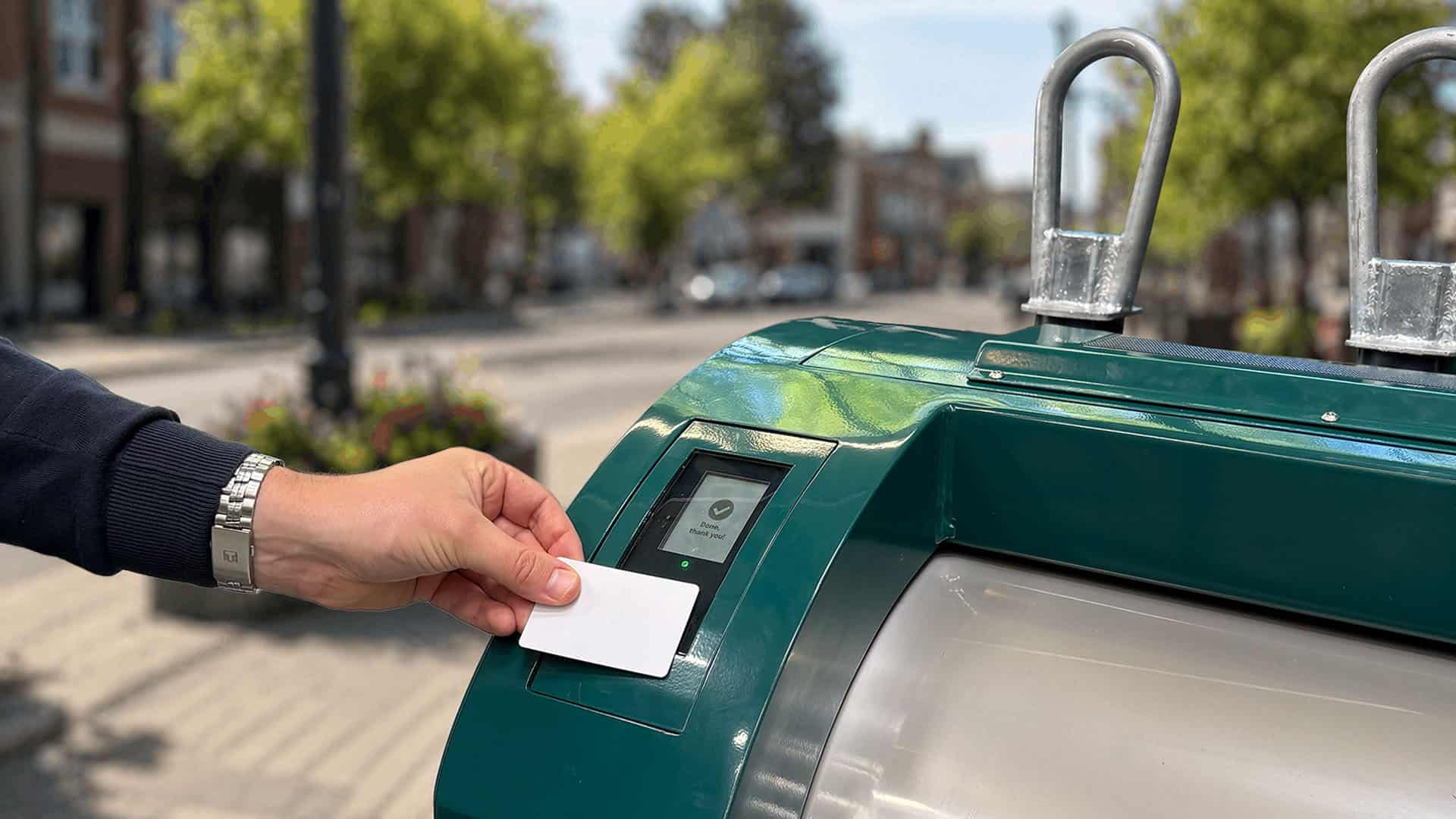




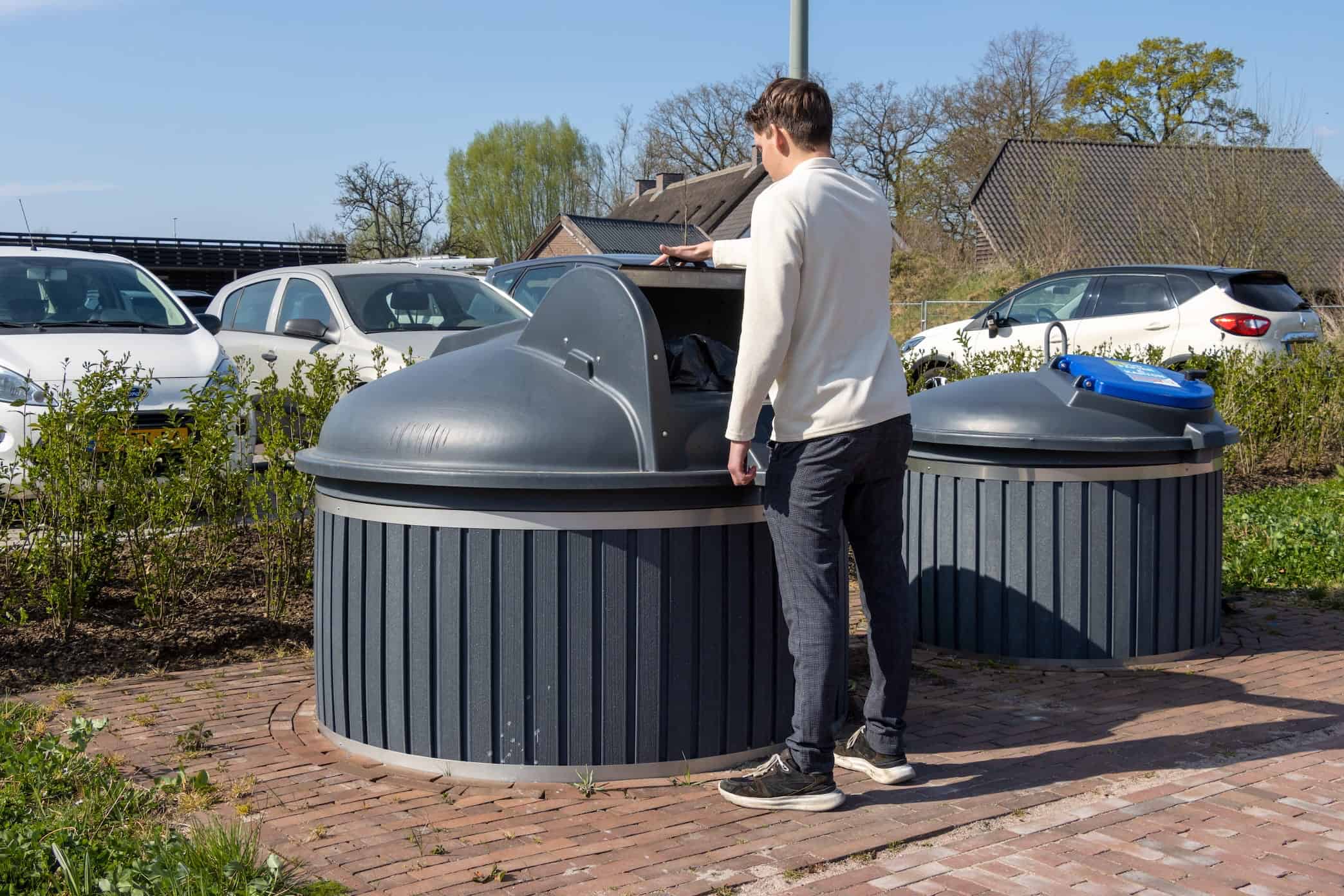
Who opens your container? And what happens next?
Containers being misused. Bulk waste piling up next to the bin. Unauthorized access in certain neighborhoods. The problem is rarely the container itself. The problem is the lack of insight.
Access control is the first step. Once you know who has access and what’s happening, you can act. On routes, on policy, on the entire waste chain.
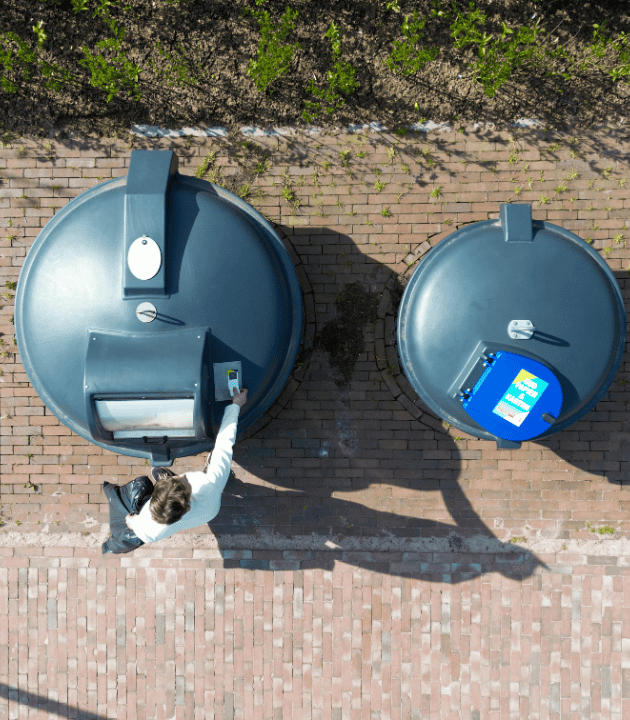
From constant hassle to total control
☑️ Less misuse, fewer bulk deposits. Only authorized users get access. Less contamination, fewer complaints, tackled at the source.
☑️ Real insight into what’s actually happening. Every opening logged. Per container, location or neighborhood. Data for policy and accountability.
☑️ More efficient routes, lower costs. Let data drive routes, not fixed schedules. Fewer trips, less CO2.
☑️ The foundation for a digital container platform. The base layer for connecting sensors and data applications. Step by step.
“ Reliable data registration, efficient remote management and excellent service. Binfinity delivered on every front. ”

Works in any container. For years. Without hassle.
Binfinity Access fits in any container brand and operates for years without making adjustments to your infrastructure.
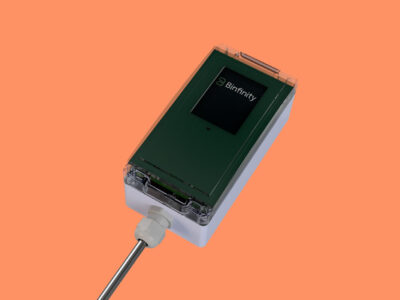
Controller
You see what’s happening. The controller logs every opening and sends it to your dashboard in real time, no manual work needed.
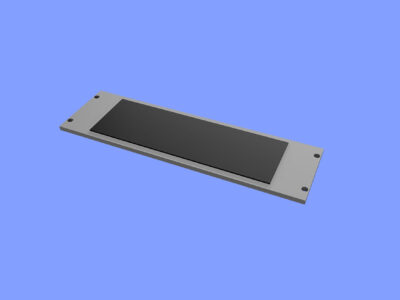
Solar panel & battery
You save time. The self-contained power supply runs for over 5 years without replacement or external connection.
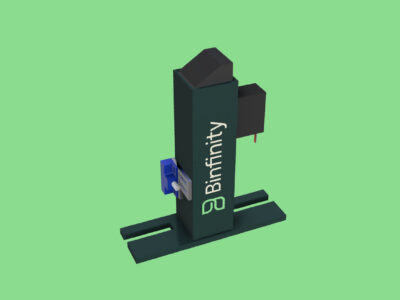
Electronic lock
You choose what fits. The lock is available in multiple variants and works with any container type you already use.
Expand from smart container to digital waste platform
Binfinity Access is the foundation you build on. Because the controller already handles communication, power and data logging, additional solutions can be connected easily down the line. Without redesigning your container architecture.
That’s how you digitize the waste chain, step by step.
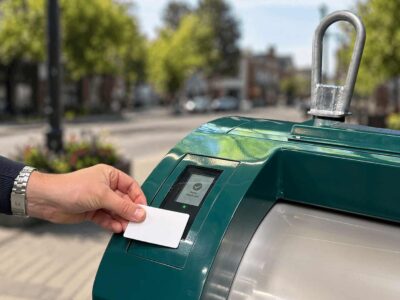
Fill level sensors
Measure how full containers are and let data drive collection routes. Only full containers get emptied. Fewer trips, lower costs, less CO2.
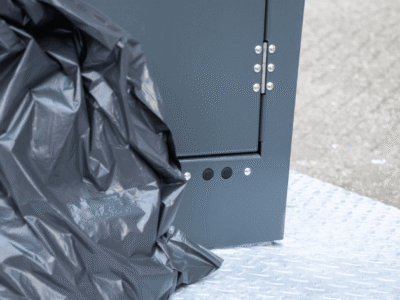
Litter Detect
Detect waste next to containers immediately and receive a notification. So you can act before bulk deposits become a problem for residents.
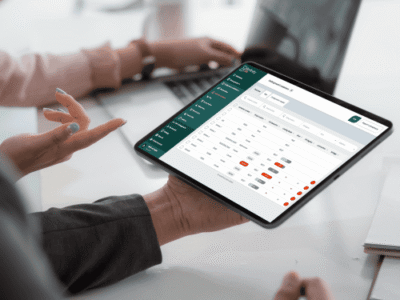
Modular and scalable
The platform is designed to integrate future sensors with ease. Whatever comes next fits what’s already in place. You’re ready for it.
Questions we often get about Binfinity Access
The power supply consists of a battery as standard, with an optional solar panel. The battery lasts more than 5 years without replacement or external power connection. If a solar panel is not possible, we can install an external battery with a lifespan of 1 to 3 years.
Via the Binfinity Access Manager. There you create user groups for system administrators, such as Municipality X or Municipality Y. You also manage which residents have access to which containers. The connection to the physical containers themselves is handled via the CMS.
with our access control systems.
with access via card, tag or smartphone.
innovating waste management.
Curious what Binfinity can do for your organisation?
Schedule an introduction call with Gijs.